
How Karate Training Can Help You and Your Family
Many parents report a marked increase in the child’s social interactions.
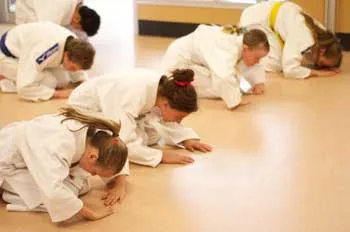
Karate training provides many benefits. The introverted youngster begins to blossom when he or she learns karate. The structured drills help the youngster overcome shyness and timidity. The anxious or worried child becomes more confident and assertive as he learns to move and control his body. He or she learns to work and compete with others in a friendly and safe environment. Self-confidence and self-esteem grow. Many parents report a marked increase in the child’s social interactions. The youngster feels less threatened by other children or new situations. As a result, there is often more of a willingness to become more involved with others.
The extroverted youngster has a safe, healthy outlet in which to compete with himself and others. Youngsters are taught how to avoid trouble and challenges. They learn to have the self-confidence to not respond to teasing or provocation from peers.
The aggressive child is taught the self-discipline that aids in keeping anger under control. He or she learns that fighting is merely a way of showing off and that showing off is a sign of low self-esteem and a lack of self-confidence.
Karate training is a gross motor activity that helps youngsters develop a sense of integrity about their bodies. Balance, coordination, posture, and general movements improve with karate training. The pre-adolescent, in particular, finds that karate training helps him or her cope with the clumsiness that often accompanies the spurt of growth at this age.
Karate also offers an additional bonus that other sports do not provide. Karate teaches self-defense. In the unsettling times in which we live, knowledge of how to protect oneself can be crucial. Parents often report feeling more secure knowing their sons or daughters are capable of defending themselves.